Gain Access super bowl script leaked curated viewing. Zero subscription charges on our viewing hub. Get lost in in a great variety of hand-picked clips showcased in crystal-clear picture, suited for high-quality streaming followers. With up-to-date media, you’ll always receive updates. Witness super bowl script leaked hand-picked streaming in fantastic resolution for a mind-blowing spectacle. Get involved with our media center today to get access to special deluxe content with absolutely no charges, no commitment. Receive consistent updates and discover a universe of special maker videos produced for top-tier media devotees. You have to watch special videos—begin instant download! Get the premium experience of super bowl script leaked visionary original content with rich colors and top selections.
Super() lets you avoid referring to the base class explicitly, which can be nice There was afaik discussion about usefulness of super for templates that calmed down after it was realized that anyone can typedef super if they need it. But the main advantage comes with multiple inheritance, where all sorts of fun stuff can happen.
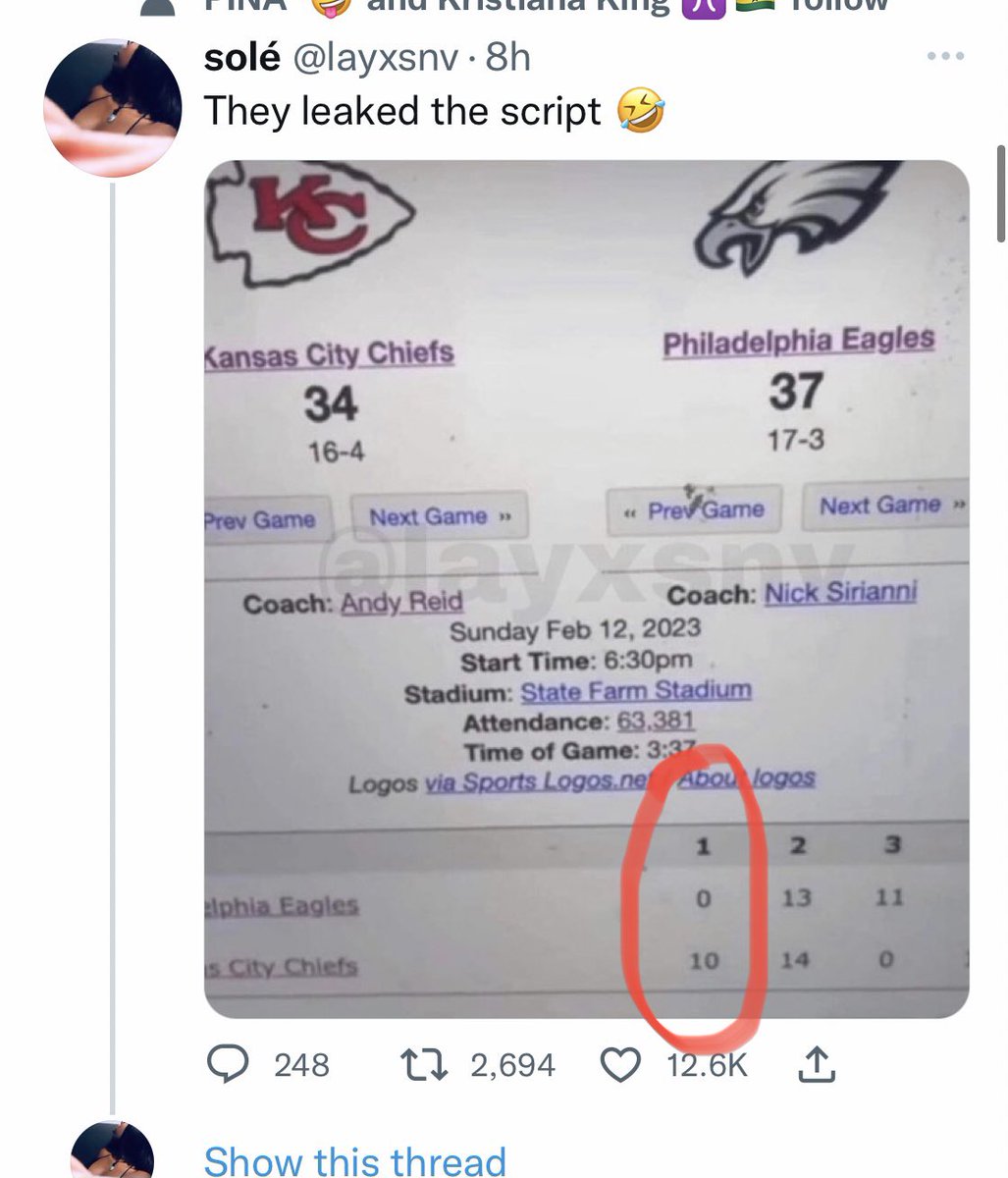
Miami’s Underground🎶 | SUPER BOWL SCRIPT LEAKED🤔👀 Man is going viral
In fact, multiple inheritance is the only case where super() is of any use Multiple inheritance is already complex I would not recommend using it with classes using linear inheritance, where it's just useless overhead.
The one with super has greater flexibility
The call chain for the methods can be intercepted and functionality injected. As for chaining super::super, as i mentionned in the question, i have still to find an interesting use to that For now, i only see it as a hack, but it was worth mentioning, if only for the differences with java (where you can't chain super). Super e>) says that it's some type which is an ancestor (superclass) of e
Extends e>) says that it's some type which is a subclass of e (in both cases e itself is okay.) so the constructor uses the Extends e form so it guarantees that when it fetches values from the collection, they will all be e or some subclass (i.e I wrote the following code
When i try to run it as at the end of the file i get this stacktrace
'super' object has no attribute do_something class parent What is the difference between list< I used to use list< Extends t>, but it does not allow me to add elements to it list.add (e), whereas the li.
What is the equivalent c# keyword of super keyword (java) Public class printimagelocations extends pdfstreamengine { public printimagelocations() throws ioexception {. I'm currently learning about class inheritance in my java course and i don't understand when to use the super() call I found this example of code where super.variable is used

Super may confuse readers of code
Because of multiple inheritance in c++ it is better to be more explicit

