Enter Now how do aphids reproduce asexually hand-selected digital broadcasting. Free from subscriptions on our digital library. Dive in in a large database of selections available in superb video, designed for discerning viewing buffs. With the newest additions, you’ll always be in the know. See how do aphids reproduce asexually chosen streaming in crystal-clear visuals for a completely immersive journey. Participate in our community today to get access to VIP high-quality content with completely free, without a subscription. Enjoy regular updates and browse a massive selection of bespoke user media created for top-tier media followers. Grab your chance to see specialist clips—download now with speed! Discover the top selections of how do aphids reproduce asexually unique creator videos with crystal-clear detail and preferred content.
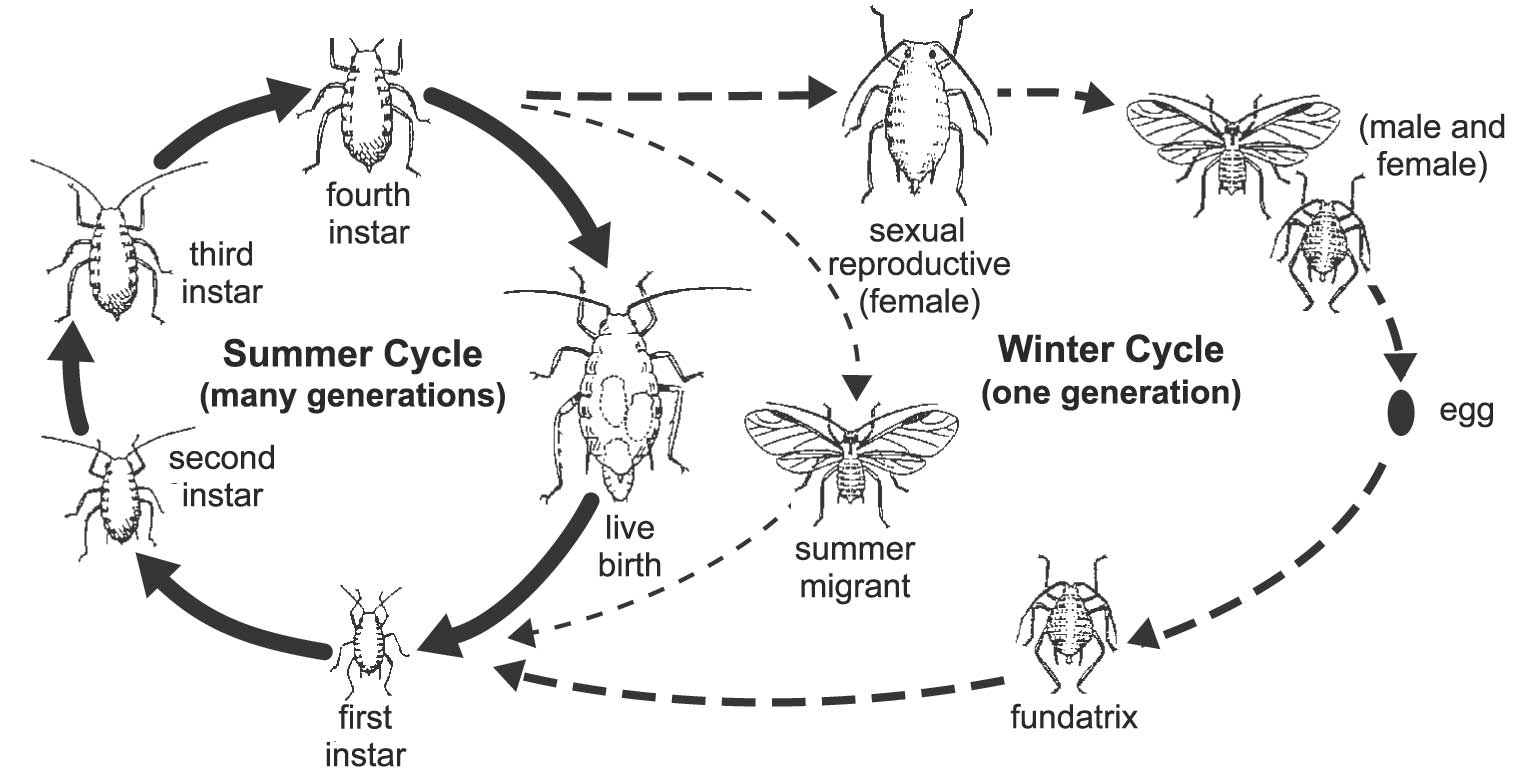
Aphids can reproduce asexually by cloning themselves through parthenogenesis, a process that involves female aphids creating female nymphs without males Discover the life cycle, environmental factors, and impacts of aphid reproduction on ecosystems and agriculture. They also alternate between sexual and asexual reproduction depending on the season and the host plant.
How Do Aphids Reproduce Asexually? Explained - What's That Bug?
Frequently asked questions how do aphids reproduce Learn how aphids clone themselves through female aphids producing live young without fertilization Aphids primarily reproduce through a process called parthenogenesis, allowing females to produce live young without mating
This asexual reproduction enables rapid population growth, particularly in favorable environmental conditions
What is parthenogenesis in aphids Parthenogenesis is the most common reproductive method for aphids Find out how to identify, manage, and control aphids in your garden or landscape. This coexistence of sex and asexual reproduction within the same species raises questions on its evolutionary and ecological significance
We summarize the knowledge accumulated to date on the maintenance of sex as well as on the origin and evolution of asexuality in aphids. Parthenogenesis, or asexual reproduction, is the key to an aphid’s long family tree In spring and summer, aphids are mostly females, with the first wingless matriarchs hatching from eggs in early spring They reproduce quickly due to their ability to reproduce without a male counterpart, leading to rapid population growth
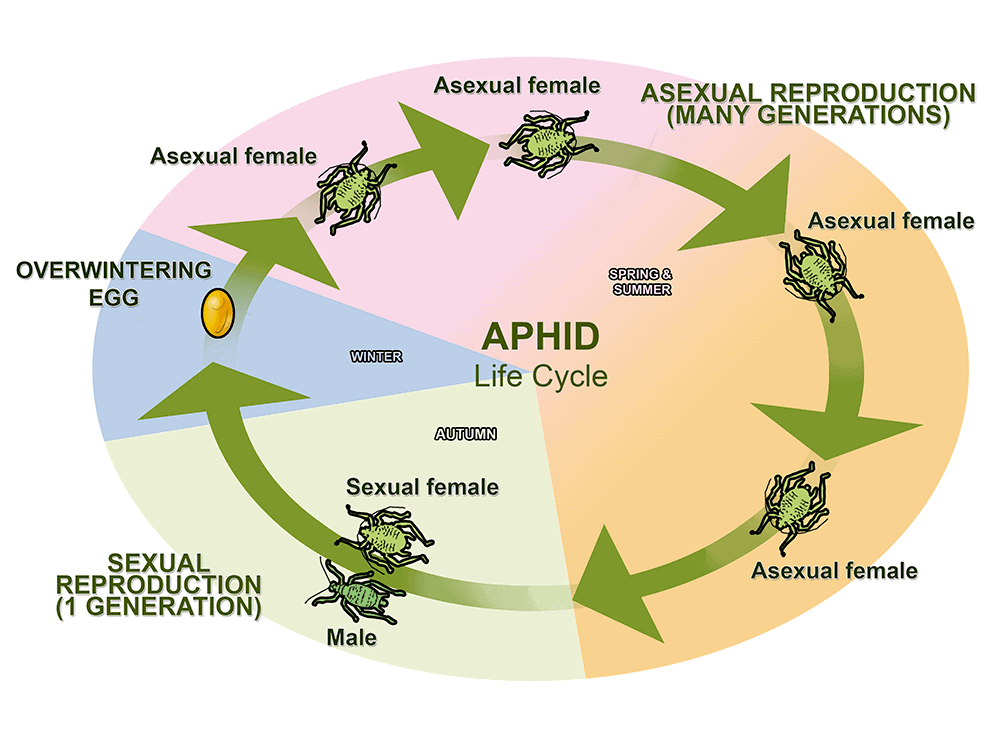
Aphids clone themselves through parthenogenesis, allowing them to.
Aphids can reproduce without mating (no males needed!) parthenogenesis, or asexual reproduction, is the first key to an aphid's long family tree With few exceptions, aphids in spring and summer are all females.