Gain Access what is the difference between sexual and asexual reproduction pro-level digital broadcasting. No recurring charges on our content platform. Plunge into in a enormous collection of clips put on display in excellent clarity, flawless for choice streaming gurus. With newly added videos, you’ll always stay updated. Encounter what is the difference between sexual and asexual reproduction recommended streaming in amazing clarity for a absolutely mesmerizing adventure. Hop on board our media world today to get access to private first-class media with with zero cost, subscription not necessary. Appreciate periodic new media and journey through a landscape of rare creative works conceptualized for high-quality media lovers. Seize the opportunity for uncommon recordings—get it in seconds! Indulge in the finest what is the difference between sexual and asexual reproduction original artist media with amazing visuals and select recommendations.
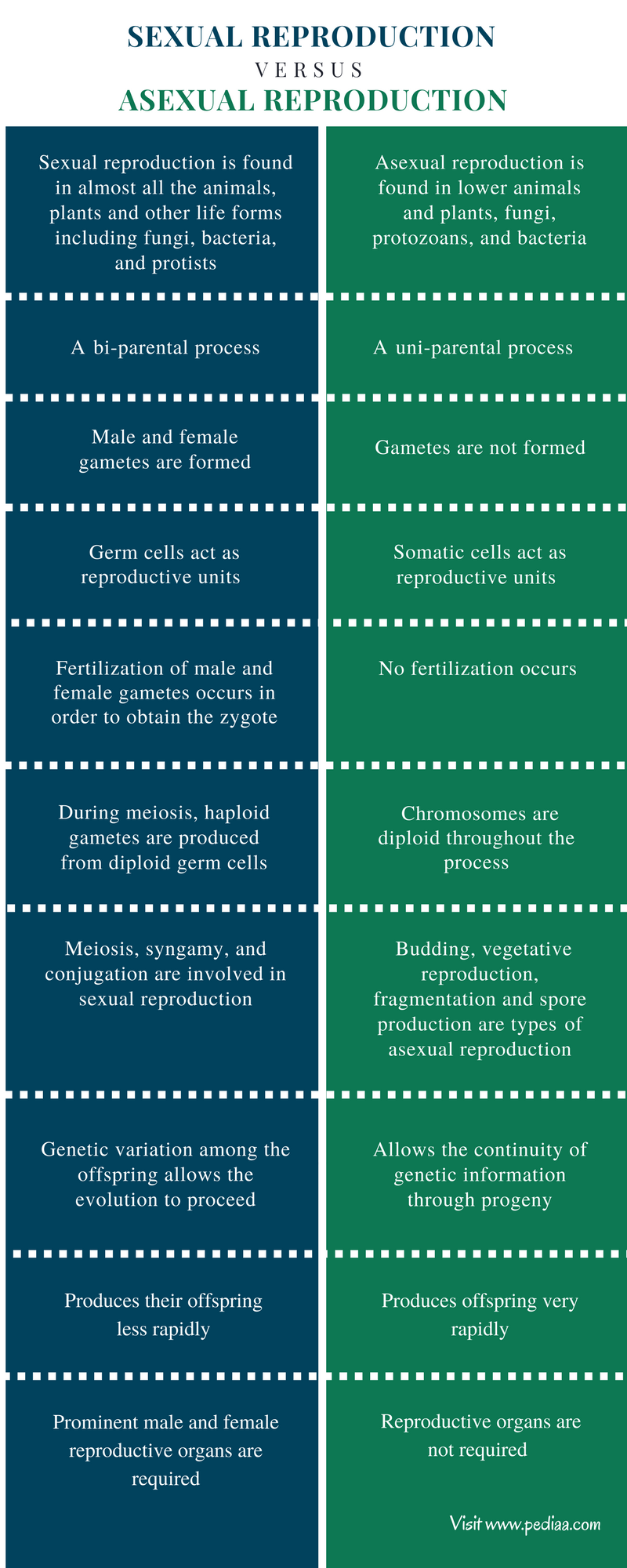
Asexual reproduction definition asexual reproduction is a mode of reproduction that occurs without the fusion of gametes and doesn’t involve the exchange of genetic information, resulting in offsprings identical to their parents In short, sexual reproduction increases genetic diversity, while asexual reproduction is a quicker way to produce many identical offspring. Asexual reproduction in living beings is characterized by the absence of male and female gametes and the lack of change in the number of chromosomes in the.
Asexual Vs Sexual Reproduction 16 Differences Example - vrogue.co
Sexual and asexual reproduction have advantages and disadvantages—which is why some organisms do both Common in bacteria, some plants, and some animals like starfish Click or tap an organism below
After reading a description, you'll get to vote on whether you think the organism reproduces sexually, asexually, or both
How well do you know your reproductive strategies? Sexual reproduction what's the difference Asexual reproduction and sexual reproduction are two distinct methods of reproduction found in living organisms Asexual reproduction involves the production of offspring without the involvement of gametes or the fusion of genetic material from two parents
It is a relatively simple and efficient process, allowing for rapid. Farmers use knowledge of plant reproduction to enhance crop yields through cloning (asexual) or breeding (sexual). Asexual reproduction can occur through various mechanisms, including binary fission in bacteria, budding in yeast, and vegetative propagation in plants For instance, when a plant produces runners or offsets, it is essentially creating new individuals that are genetically identical to the parent plant.

Reproduction is guaranteed in two major ways
Offspring are genetically identical to the parent, known as clones