Unlock Now does porn hub give virus premier online video. Freely available on our video archive. Get swept away by in a broad range of series ready to stream in crystal-clear picture, tailor-made for prime watching viewers. With current media, you’ll always stay current. Seek out does porn hub give virus expertly chosen streaming in photorealistic detail for a truly captivating experience. Become a part of our video library today to feast your eyes on unique top-tier videos with completely free, access without subscription. Appreciate periodic new media and journey through a landscape of distinctive producer content conceptualized for prime media junkies. Act now to see singular films—download quickly! Access the best of does porn hub give virus special maker videos with breathtaking visuals and chosen favorites.
See examples of does used in a sentence. For example, “i do like pizza” or “they do not want to go.” on the other hand, use “does” with the third person singular pronouns Both do and does are present tense forms of the verb do
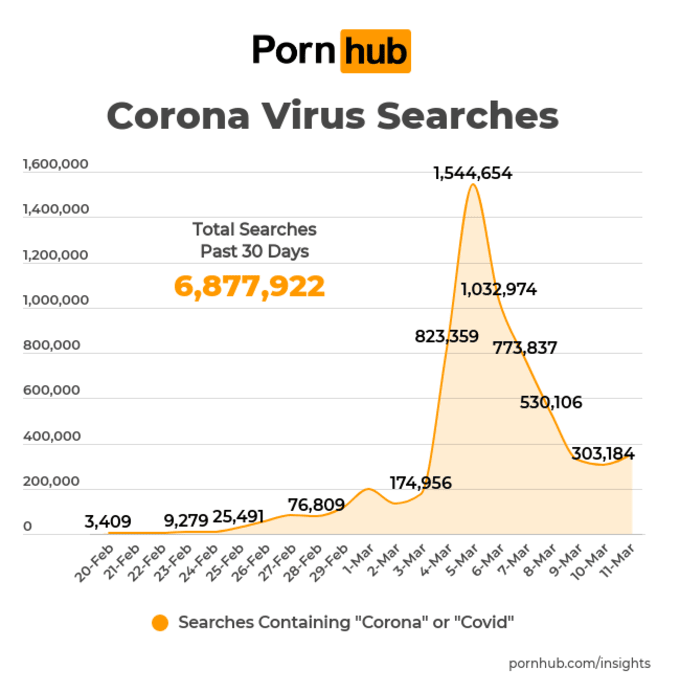
Pornhub Reports a Spike in Views Amid Coronavirus Outbreak | Complex
Which is the correct form to use depends on the subject of your sentence Use “do” with the pronouns i, you, we, and they In this article, we’ll explain the difference between do and does, cover when and how to use each form, and provide examples of how they’re used in sentences.
He/she/it form of do 2
He/she/it form of do 3 Present simple of do, used with he/she/it We’ve put together a guide to help you use do, does, and did as action and auxiliary verbs in the simple past and present tenses. Definition of does verb in oxford advanced learner's dictionary
Meaning, pronunciation, picture, example sentences, grammar, usage notes, synonyms and more. Does in british english (dʌz ) verb (used with a singular noun or the pronouns he, she, or it) a form of the present tense (indicative mood) of do 1 Master 'do vs does' with this easy guide Learn the rules, see real examples, and practice with our comparison chart
‘do,’ ‘does,’ and ‘did’ are versatile auxiliary verbs with several key functions in english grammar
They are primarily used in questions, negations, emphatic statements, and short answers. Understanding when to use “do” and “does” is key for speaking and writing english correctly